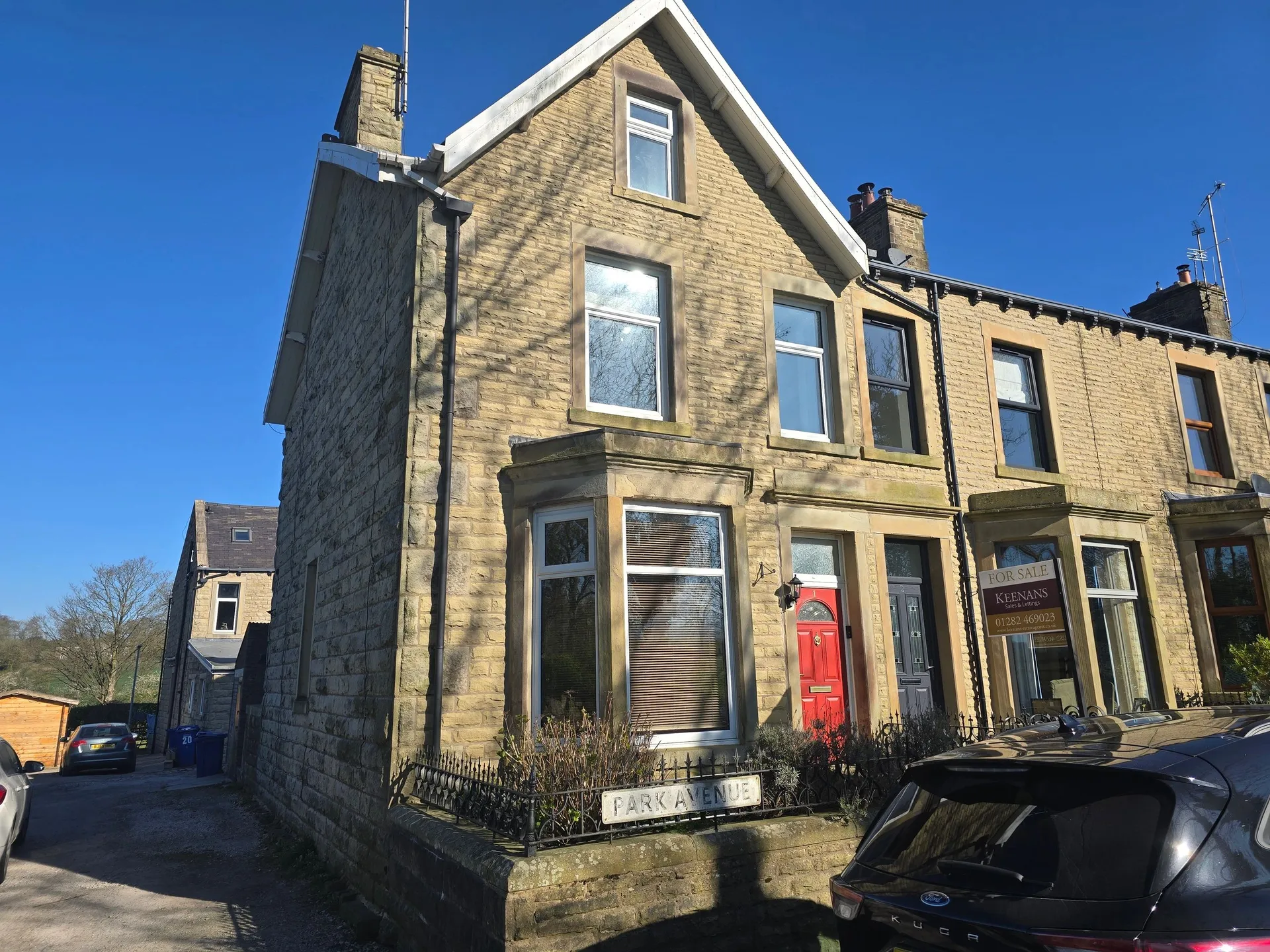
Most buyers get 20 to 30 minutes at a viewing to assess what could become the largest purchase they ever make. That is not enough time to diagnose defects, and it should not be the aim. The job is simpler and more useful: notice the main warning signs, ask better questions and decide what needs professional investigation before you become legally committed. At Mason & Oak, we do not expect buyers to think like surveyors. We do think a good viewing can tell you a great deal if you approach it in the right order. Older homes often include several phases of repair, alteration and maintenance. Some of what you see will be age-typical. Some of it may affect budget, negotiations or whether the property is right for you at all. The key is to judge the house as a whole rather than reacting to one isolated issue.
Before attending the viewing
Start with the basics. Try to establish the approximate age of the house, whether it is listed, whether it sits in a conservation area and whether it appears to have been extended or substantially altered. A solid stone cottage, a timber-framed building and a 1930s brick semi may all be described as older properties, but they behave very differently. Think about what sort of ownership you actually want. A period property may offer space, materials and character that are hard to find in newer housing, but it may also need more routine maintenance and a higher tolerance for ongoing repair. That does not make it a poor purchase. It simply means the building needs to suit your budget and appetite for future work. 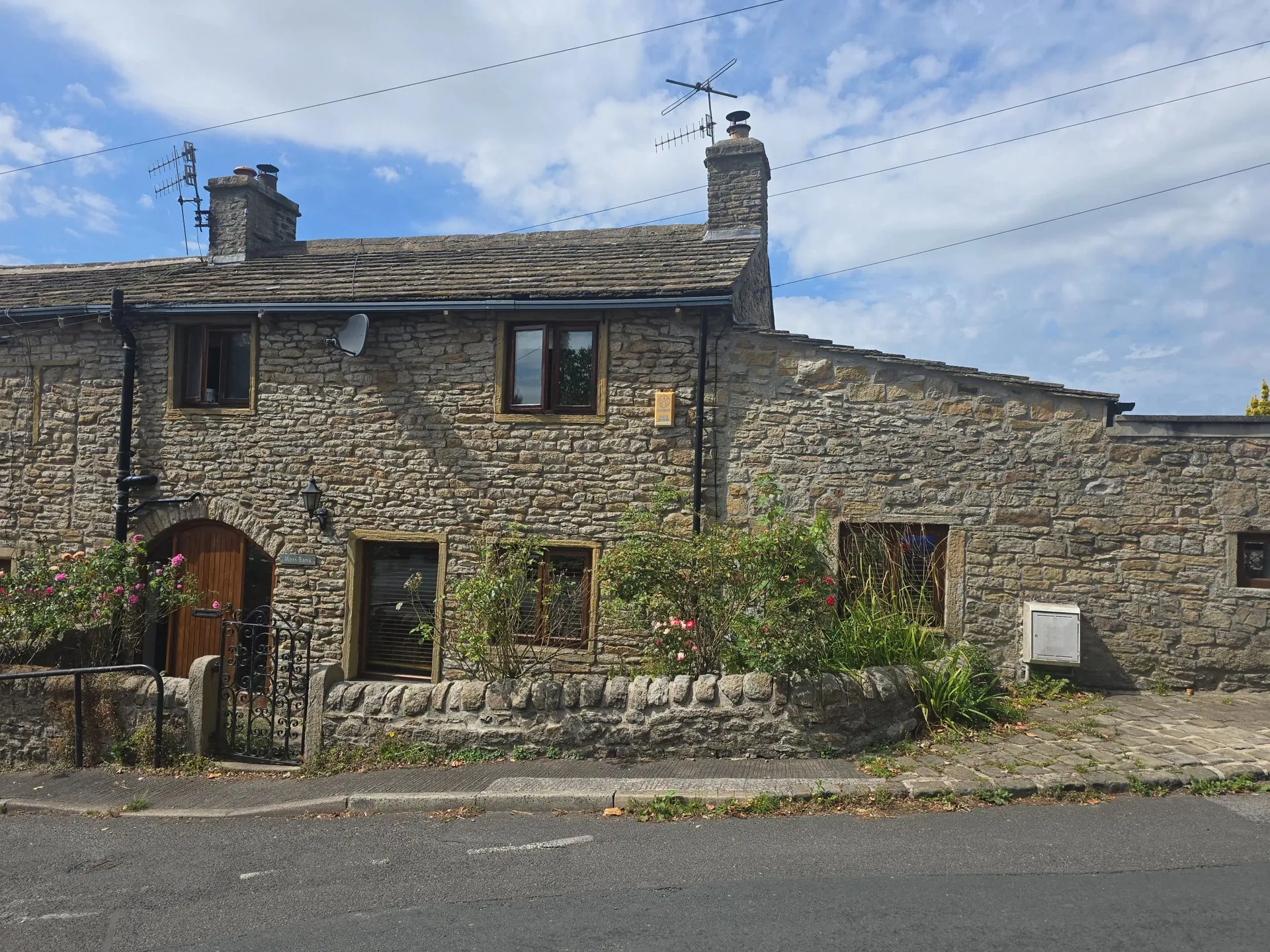
Stone walls and stone-slate roofs are common in older rural properties across Lancashire and the North West and need a different approach from modern cavity-built homes. It also helps to know what is normal for the area. Across Lancashire and the North West, older houses may be exposed to driving rain, have solid walls rather than cavities and sit on sloping plots with later landscaping changes. Those details can influence maintenance demands without meaning there is necessarily anything wrong.
Looking at the street, plot and surroundings
Before focusing on defects, stand back and take in the setting. Is the house sheltered or exposed? Does it face open countryside, a prevailing weather direction or a busy road? Are there large trees close by? Does the plot slope towards the building or away from it? Are neighbouring ground levels, patios or driveways noticeably high against the walls? Look at parking, access and boundaries as well. A narrow rear access, shared driveway, retaining wall, steep site or awkward garden levels may not stop you buying the house, but they can affect future repairs, cost and practicality. The same applies if neighbouring extensions, raised decking or boundary alterations appear to have changed how water drains around the building. 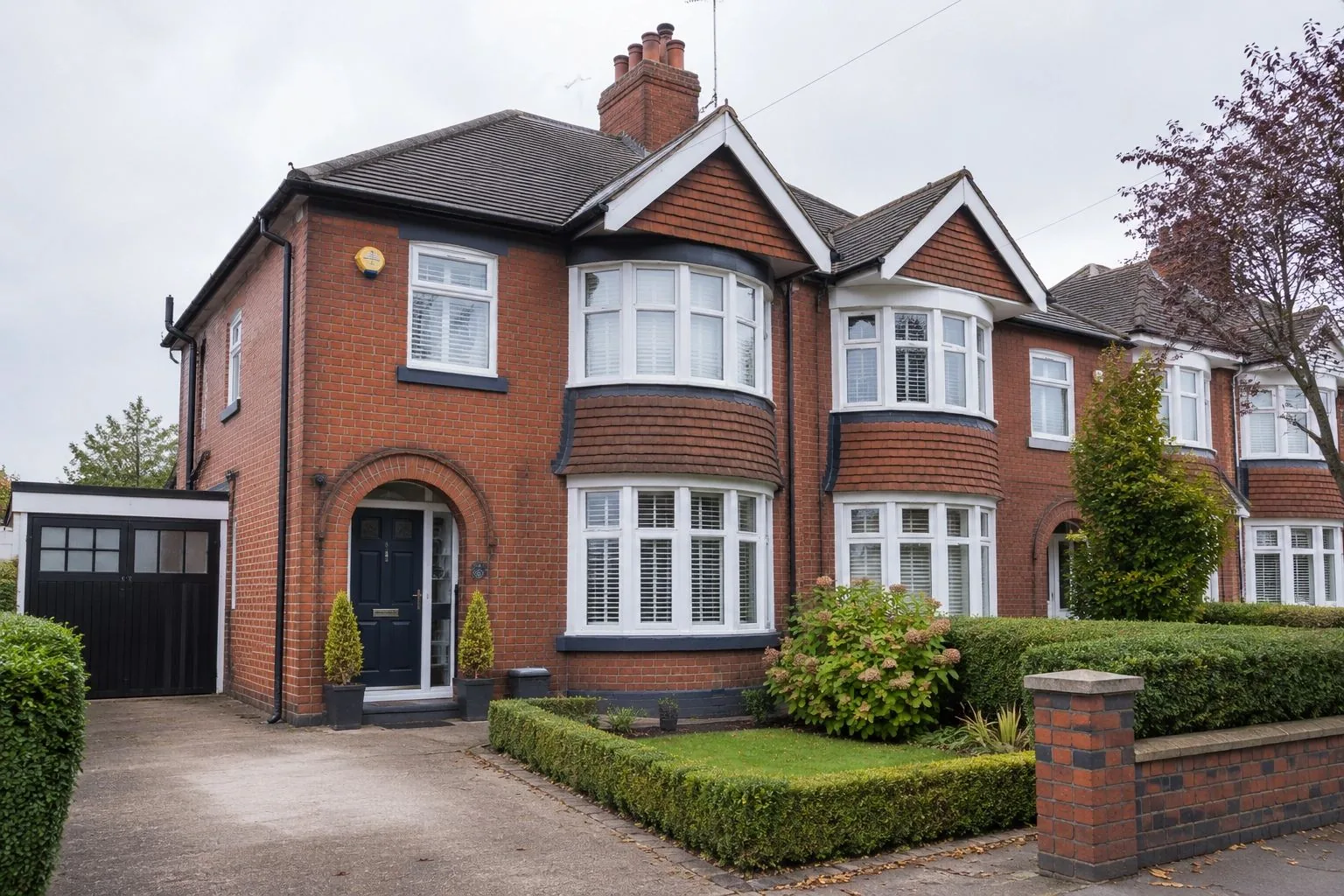
Older houses vary widely. A 1930s semi may present very different risks and maintenance demands from a rural stone cottage or a much earlier building. This is also the stage to ask a broader question: does the house feel manageable? Buyers sometimes focus on one crack or one damp patch and miss the bigger picture. Several moderate issues, each individually manageable, can combine into a substantial repair burden once roof work, rainwater repairs, service upgrades and redecoration are added together.
Inspecting the exterior from the top down
Work from the roofline down to the ground. That approach helps you make sense of how water is meant to shed from the building and where defects may relate to each other.
Roofs, chimneys and rainwater goods
From ground level, look for slipped or missing slates, uneven roof lines, heavy moss, damaged chimney pots, leaning stacks and open mortar joints. Check whether gutters and downpipes look blocked, leaking or stained below joints. If there has been patching with sealant or obvious local repairs, note it and ask when the work was done. 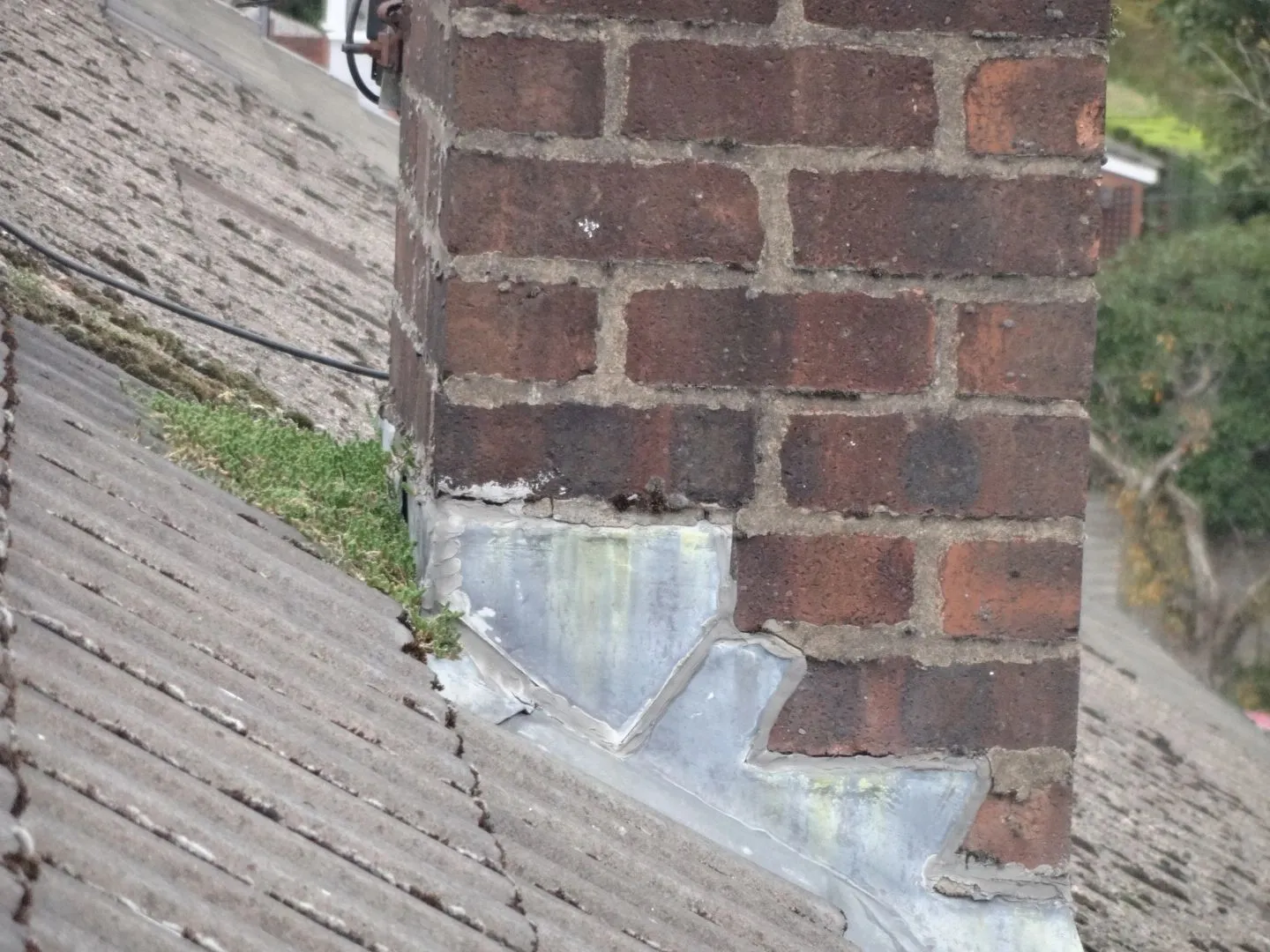
Ask directly when the roof was last repaired or renewed. A vague answer does not prove a problem, but it should make you more careful. Roof defects are important because they can affect ceilings, hidden timbers, chimney masonry and internal finishes well beyond the point where the water first enters.
Walls, ground levels and subfloor ventilation
On the walls, look for bulging masonry, localised repairs, deteriorated pointing, cracked render and areas where materials seem to change. Hard cement pointing or render is not automatically wrong, but on some traditional walls it can be less suitable than the original construction and should be considered in context. At low level, check whether paving, soil, gravel or driveways are close to the damp-proof course, where one is present. Look for blocked or buried air bricks or former ventilation openings serving suspended timber floors. These are useful observations, but they do not by themselves diagnose rising damp or decay.
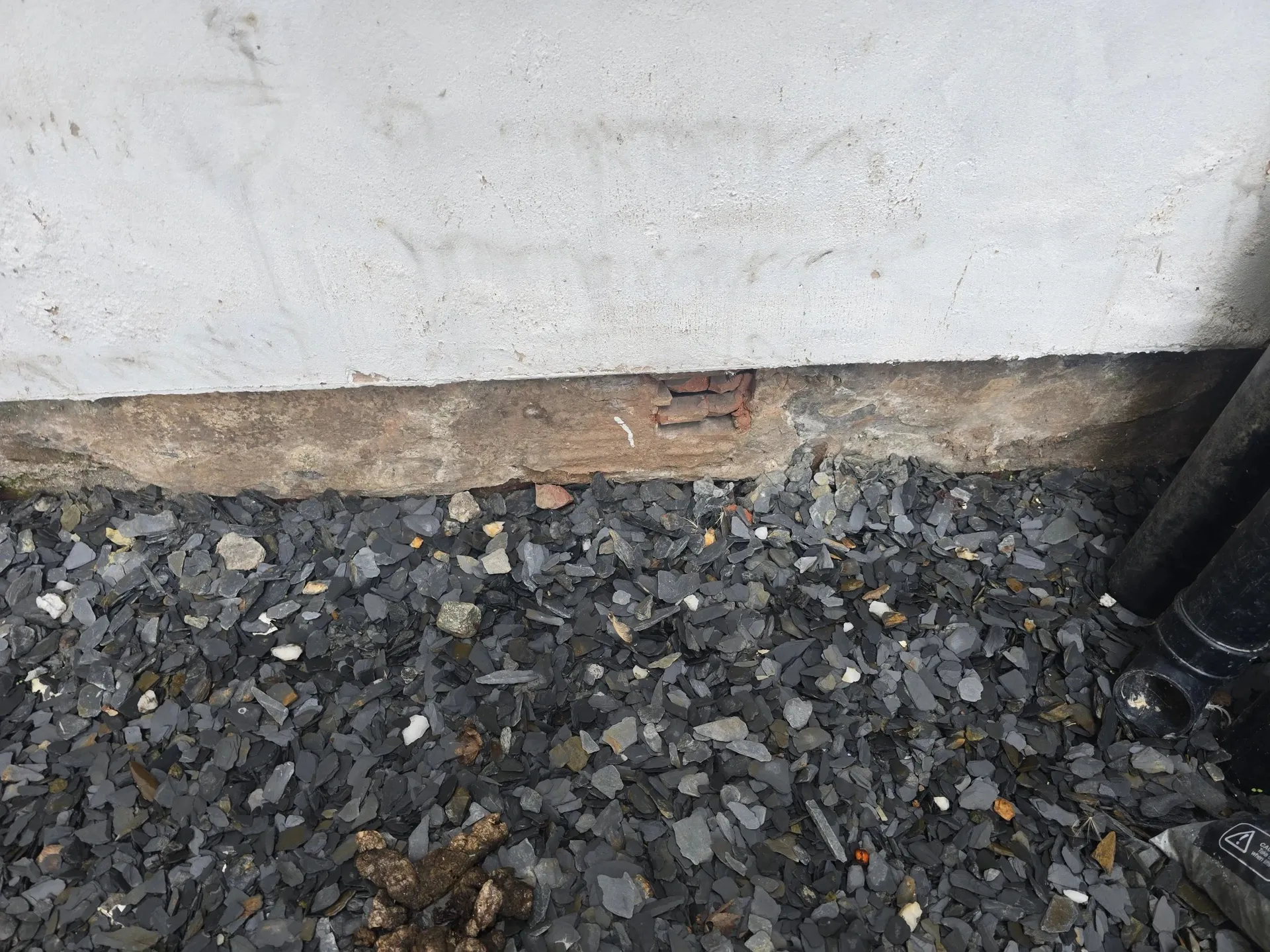
Restricted ground clearance and blocked former ventilation openings can justify further investigation of moisture and subfloor conditions. Also take a moment to assess doors, windows, fascias and any extensions. Awkward junctions, mismatched materials and roof details that look added as an afterthought can matter as much as an obvious crack.
What to notice inside
Once inside, do not rush. Your first impressions are useful. Notice whether the house smells stale or musty, whether windows are heavily condensed and whether there are obvious stains, peeling finishes or blown plaster around chimney breasts, skirtings and external walls. 
Moisture indicators need context. Staining, salts, condensation and local readings help build a picture, but they do not establish cause on their own. Check floors for slopes, springiness or local movement. Slight unevenness can be entirely typical in an older house. Concern increases where floor movement appears alongside cracking, distortion around openings or signs of alteration. Look at cracks in context rather than in isolation. Where are they? Do they pass through plaster only, or through masonry as well? Are they near bay windows, chimney breasts, removed walls, extensions or staircases? Buyers often worry most about width, but pattern and location are usually more informative. 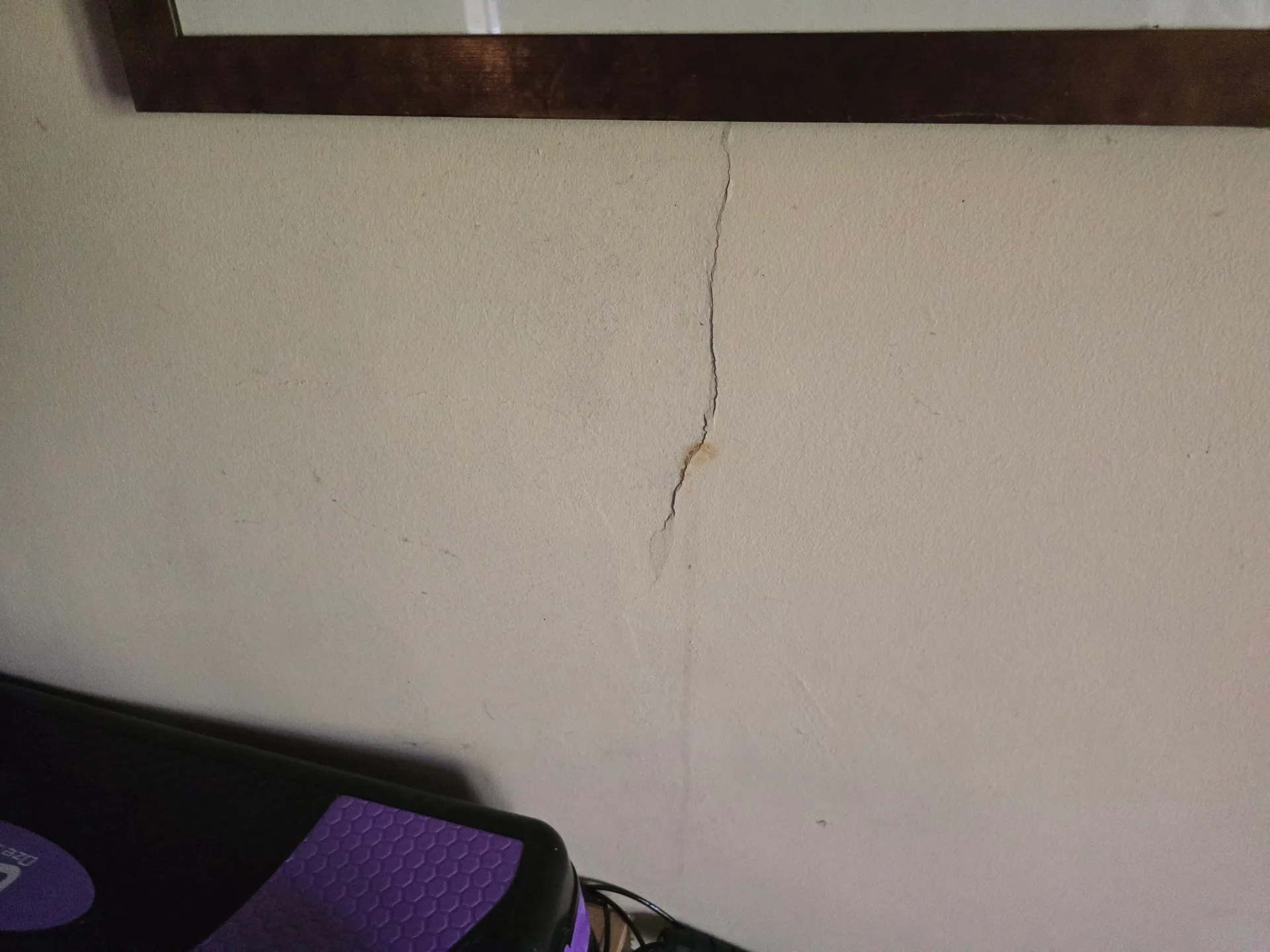
Cracking is most useful when considered with floor levels, alterations and any matching movement elsewhere in the building. Ask yourself whether the layout suggests structural alteration. Look for removed chimney breasts, widened openings, loft conversions, ceiling level changes, boxed-in steelwork and patched finishes. Surveyors comment on the physical evidence and likely implications of alterations. Your legal adviser should confirm whether approvals, certificates and supporting documents are actually available. Finally, note the age and type of the boiler, visible plumbing and electrical consumer unit if you can see them. A viewing is not a test of services, but ageing installations can materially affect future expenditure. Carl’s View: A crack should not be judged by width alone. Its pattern, location, relationship with openings or alterations, and any matching movement elsewhere are usually more informative than the visible line itself.
Questions to ask the seller or estate agent
Keep the questions simple and practical:
- When was the roof last repaired or renewed?
- Have there been previous problems with dampness, leaks or movement?
- What alterations have been undertaken?
- Are approvals, guarantees or supporting documents available?
- How old are the boiler and electrical installation?
- Have any recent repairs or redecorations been carried out, and why?
Do not expect complete technical answers at the viewing. The value of these questions is that they help you identify whether the history is clear, vague or inconsistent. Carl’s View: Redecoration is not evidence of concealment, but it can make the history of a defect harder to understand. Ask what was repaired, when it was done and whether the problem returned.
What to do after the viewing
Write down your observations straight away. Photographs taken during the viewing can help you compare properties later, especially where several moderate concerns start to add up. Use a simple decision filter. Are you looking at expected age-related maintenance, one major concern, or several smaller issues that combine into a bigger project? Buyers often make better decisions when they consider the cumulative effect of roof repairs, rainwater defects, service upgrades, damp investigation and internal redecoration rather than overreacting to one isolated symptom.
Older house viewing checklist
Copy or save this checklist for your next viewing.
- Check approximate age, construction type and listed or conservation status.
- Stand back and assess the setting, exposure, slope, trees and surrounding ground levels.
- Look at the roof, chimneys, gutters and downpipes from ground level.
- Check walls, pointing, render, windows and low-level ventilation.
- Look for damp smells, staining, condensation and damaged finishes inside.
- Note uneven floors, cracking and signs of alteration without assuming the cause.
- Ask about roof work, dampness, leaks, movement, alterations and recent repairs.
- Note the apparent age of the boiler and electrical installation.
- Request approvals and supporting documents through your legal adviser.
- Review the house as a whole, then arrange the right survey if needed.
Use four outcomes when reviewing what you have seen: Proceed, renegotiate, investigate further or walk away.
When a professional survey is particularly important
A mortgage valuation is not a detailed condition assessment for the buyer. It serves the lender's interests and may say very little about repair risk or building performance. A Level 2 Home Survey may be suitable for a more conventional property in reasonable condition. A Level 3 Building Survey is usually more appropriate where the house is older, traditionally constructed, listed, unusual, substantially altered or already showing visible defects. If you are buying an older property and are unsure which approach is proportionate, the question is usually how much hidden complexity is likely to sit behind what you can already see. A viewing cannot reveal concealed construction or guarantee access to roof spaces and other restricted areas. That is one reason surveys matter. They assess the building as a whole, explain visible defects in context and identify where further investigation, monitoring or specialist input may be sensible. For listed and historic buildings, specialist advice may also be needed on traditional materials, heritage fabric and the implications of repair or alteration. 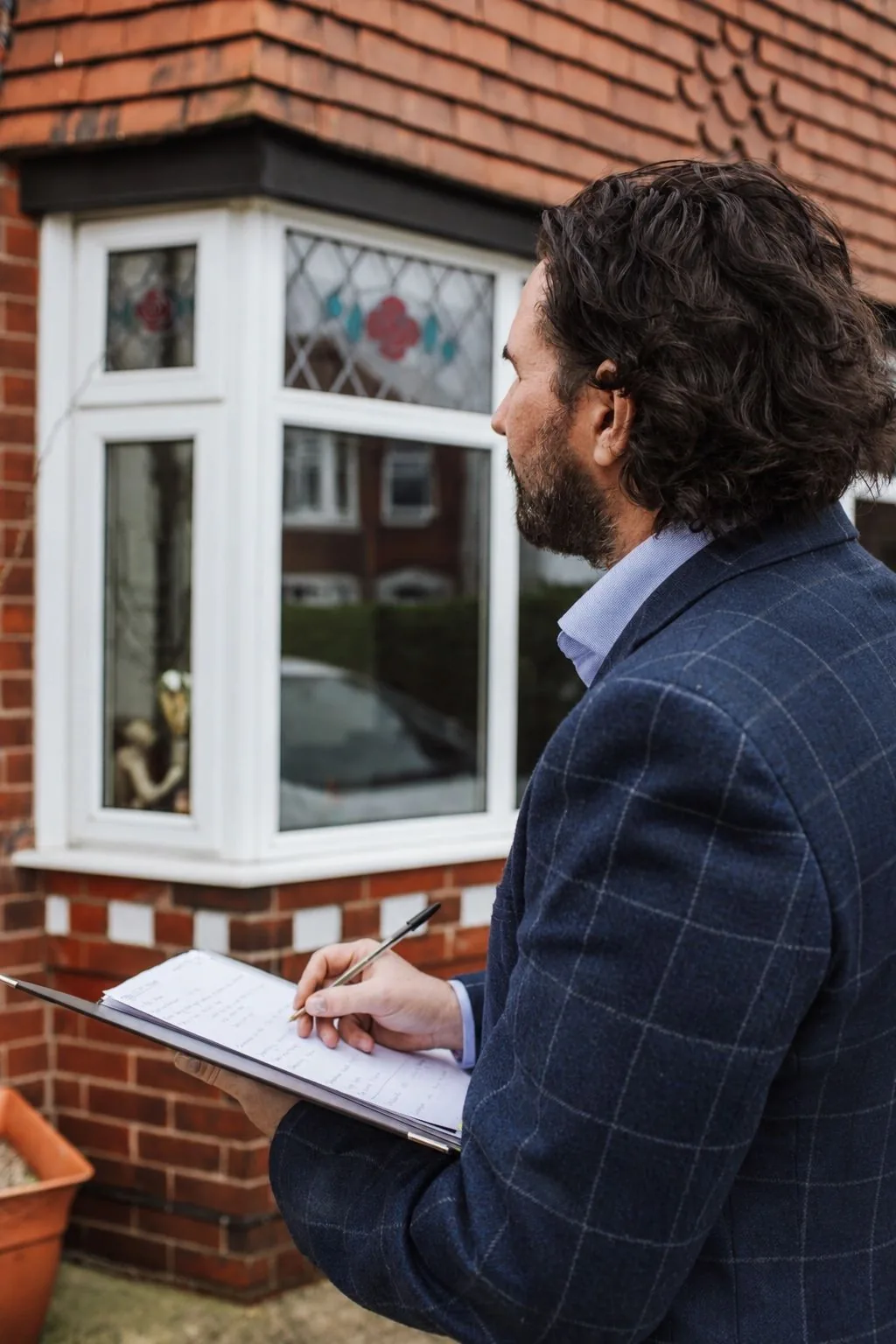
The purpose of a survey is not to frighten buyers, but to help them understand condition, priorities and the right next steps. A survey should normally be arranged once your offer has been accepted and early enough for the findings to inform further investigations, quotations and negotiations before you become legally committed. A building surveyor can also recommend whether the next step is a structural engineer referral, opening-up works, monitoring, specialist contractor advice or another form of investigation. Carl’s View: Treat the viewing as a shortlisting exercise, not a diagnosis. The right question is whether the property deserves further investigation and whether you are prepared for what that investigation may find.
Frequently Asked Questions
What should I look for when viewing an older house?
Focus on the main things that may affect condition, cost or risk: the roof, rainwater goods, walls, ground levels, ventilation, moisture indicators, cracking, signs of alteration and ageing services. Just as important, consider the setting, exposure and whether the property's maintenance demands suit you.
Do I need a survey for an older property?
Usually, yes. A mortgage valuation is not a buyer's survey. Many older homes, period properties and traditionally built houses benefit from a survey because important defects, access limitations and alteration issues are not always obvious during a short viewing.
Is a Level 3 Building Survey worth it for an older house?
Often, yes. A Level 3 Building Survey is usually the more appropriate option for older, altered, listed, unusual or visibly defective properties. It can identify significant repair liabilities, explain priorities and indicate where contractor quotations or further investigations should be obtained.
When should I arrange the survey?
Usually after your offer has been accepted, and early enough for the findings to inform investigations, quotations and negotiations before you become legally committed to the purchase. For independent advice on the appropriate survey, visit Mason & Oak’s services page or request a survey quote. You can also read Should I Buy This House? How a Level 3 Building Survey Helps, Is It Really Rising Damp? How to Understand Moisture in Older Homes and Is This Crack Serious? How to Read Cracks in Your Home. Thorough. Honest. Independent.