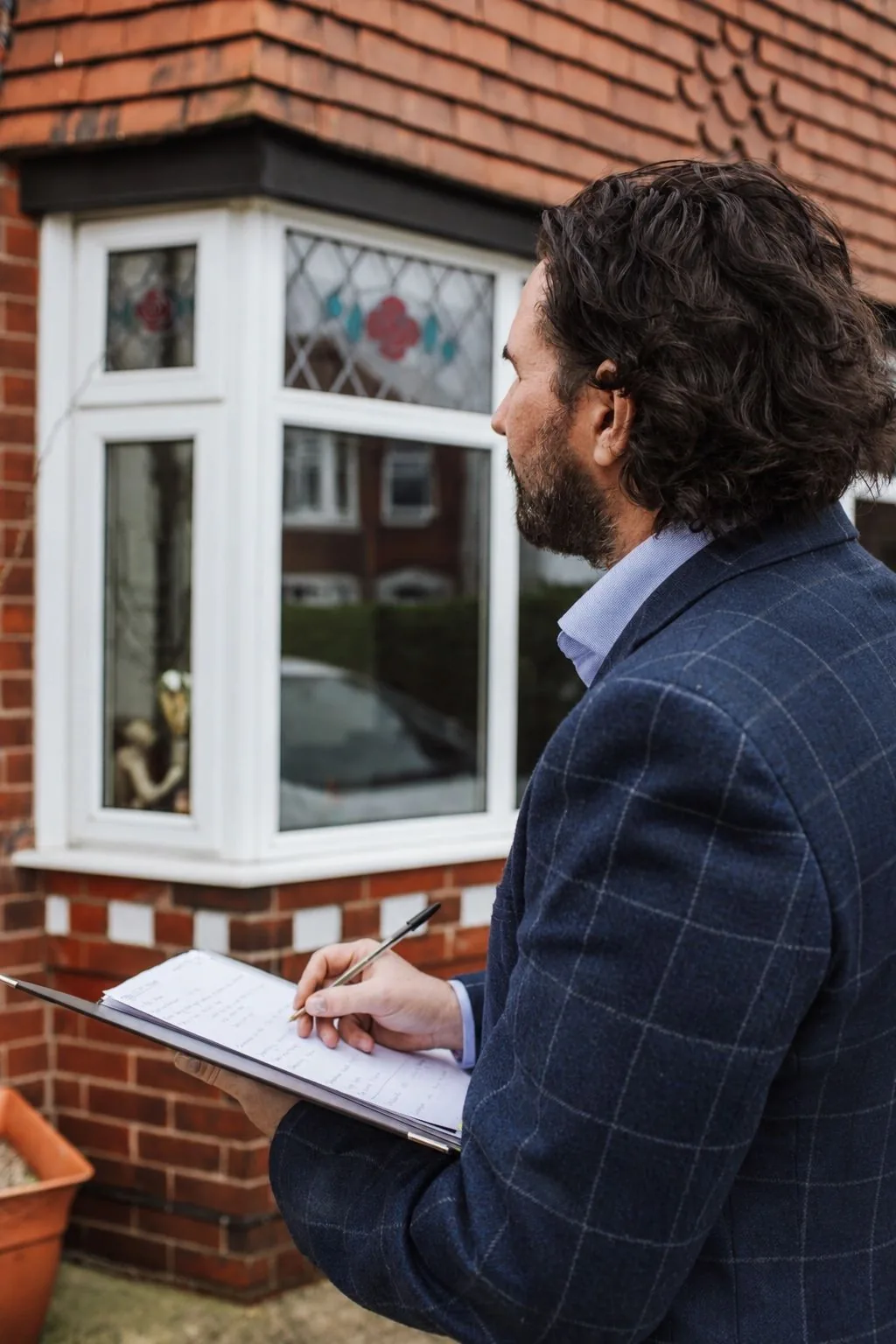
When arranging a house survey, buyers may encounter the initials RICS and RPSA. It is reasonable to ask what they mean, whether one is preferable to the other, and whether a residential surveyor has to belong to either organisation. The short answer is that the RPSA is a professional association focused specifically on residential property surveying, while RICS is a much broader professional organisation covering land, property, construction and infrastructure. They are separate organisations, with different structures and areas of focus. Mason & Oak is an independent residential surveying and heritage consultancy. Its founder, Carl Mason, is a member of the Residential Property Surveyors Association. That membership provides a relevant professional framework for the residential surveying services Carl delivers through Mason & Oak, alongside his qualifications, experience, inspection scope and commitment to a high standard of service.
What is the Residential Property Surveyors Association?
The Residential Property Surveyors Association, or RPSA, describes itself as a not-for-profit organisation focused on raising standards, awareness and quality in residential surveying. Its focus is narrower than that of RICS. The RPSA supports independent residential surveyors and provides professional guidance, reporting standards, a Code of Conduct and different membership routes. For a homebuyer, the important point is that RPSA membership places a surveyor within a professional residential surveying framework. The RPSA states that its members are specialist residential property surveyors who hold relevant qualifications or have demonstrated appropriate knowledge and experience. The RPSA also refers to:
- professional inspection and reporting standards;
- a Code of Conduct covering professional ethics, sustainability, inclusivity and complaint handling;
- an independent arbitration scheme that is free for consumers;
- complaints-handling arrangements and member support.
Taken together, these are useful consumer protections and part of the reason buyers may take RPSA membership seriously. As with any survey instruction, it is still sensible to read the terms of engagement and check exactly what service is being purchased. Carl’s View Professional membership gives a buyer useful information about the framework in which a surveyor works. It does not remove the need to ask sensible questions about the individual surveyor, the property and the inspection being offered.
What is an RPSA surveyor?
An RPSA surveyor is a surveyor who belongs to the Residential Property Surveyors Association. However, the phrase does not by itself tell you everything about the person’s qualifications, experience or membership grade. The RPSA has several membership categories, including Full, Technical, Affiliate and Student routes. These categories have different entry requirements, rights and uses of post-nominals. For example, the RPSA’s official membership information distinguishes between Full members, who may use MRPSA, and Technical members, who may use RPSATech. It should not be assumed that every RPSA member is a Full member or has the same professional scope. A buyer can therefore ask:
- What is the surveyor’s RPSA membership category?
- What qualifications and practical experience do they have?
- Are they competent to inspect this type of property?
- What inspection and reporting standards apply?
- What complaints and redress arrangements apply to this instruction?
Membership should be understood as part of a wider professional picture rather than a guarantee that every survey is identical. The agreed service, property access, limitations and terms of engagement still matter.
RPSA versus RICS: what is the difference?
RPSA and RICS are not interchangeable labels. RICS operates across a wide professional field, including valuation, commercial property, land, infrastructure, construction and building surveying. RICS also publishes the Home Survey Standard, which sets mandatory requirements for RICS members and regulated firms undertaking RICS Home Surveys. RICS Home Surveys include defined levels of inspection:
- RICS Home Survey Level 1;
- RICS Home Survey Level 2, with or without valuation;
- RICS Home Survey Level 3.
A surveyor producing an RICS Home Survey report needs the appropriate RICS Home Survey Licence. Buyers should also distinguish between an individual who is an RICS member and a firm that is regulated by RICS. The RICS consumer guidance explains that regulated firms must meet eligibility requirements, follow RICS Rules of Conduct, maintain a complaints-handling procedure, appoint an ADR provider and hold professional indemnity insurance meeting RICS requirements. The RPSA has a more specific focus on residential surveying and independent residential surveyors. Its membership framework includes relevant qualifications or demonstrated experience, professional standards and consumer-facing conduct and complaints arrangements. This is better understood as a difference in professional focus than a simple competition between the two organisations. An RICS surveyor and an RPSA surveyor are not automatically offering the same product, and the letters alone do not establish which person is best suited to a particular property.
Does a residential surveyor have to be RICS?
No. A residential surveyor does not have to be a member of RICS to carry out residential building surveys. However, if you specifically want an RICS Home Survey product, you should check that the surveyor is appropriately qualified and licensed to provide it. If you specifically want an RICS Home Survey, also check whether the business itself is an RICS-regulated firm, because RICS membership and firm regulation are not the same thing. If you are considering an RPSA member, ask about the surveyor’s qualifications, experience, membership category, inspection scope, insurance and complaint or redress arrangements. The practical question is not simply, “Is this surveyor RICS?” It is:
Is this surveyor suitably qualified and experienced to inspect this property, and will the report give me the information I need before I commit to the purchase?
What should buyers look for when choosing a surveyor?
A professional logo can be a useful starting point, but it should not be the deciding factor. Before instructing a surveyor, consider the following.
Qualifications and relevant experience
Ask about the surveyor’s qualifications and experience carrying out residential surveys. Experience with a particular building type can be just as important as general experience. A surveyor who regularly assesses modern cavity-wall homes may approach a solid-wall stone cottage differently from a surveyor accustomed to older construction. Neither property is automatically defective, but the inspection needs to recognise how it was built.
The property’s age and construction
Ask whether the surveyor regularly inspects:
- period and pre-1919 homes;
- solid stone or solid brick walls;
- slate or stone-slate roofs;
- lime-based mortars and renders;
- timber-framed buildings;
- listed or heritage properties;
- homes with extensions or substantial alterations.
Inspection scope and access
Read what the inspection includes and excludes. A viewing cannot reveal concealed construction, and it cannot guarantee access to roof spaces, enclosed voids, locked rooms or other restricted areas. Find out whether the surveyor will inspect the roof coverings, roof space, subfloor areas, services, external elevations and boundaries, and what limitations may apply.
Report quality
A useful report should explain more than the presence of a defect. It should help you understand:
- what was observed;
- how significant it may be;
- what might be contributing to it;
- whether it appears typical for the property’s age;
- what should happen next;
- whether further investigation is needed.
A Level 3 Building Survey can identify significant repair liabilities and recommend further investigation, but it cannot promise definitive repair costs. Cost advice may require opening-up works, specialist contractors, engineers or other consultants.
Communication and support
Ask whether you can speak directly to the surveyor before the inspection and after receiving the report. A short conversation can be particularly valuable when the property has unusual construction, previous alterations or heritage features. Also check the firm’s complaints process, professional indemnity insurance and the consumer protection or redress arrangements applying to your instruction.
Buyer questions to ask before instructing
- Who will personally inspect the property?
- How much experience do they have with this type and age of building?
- What areas will be inaccessible or outside the agreed scope?
- Will the report explain likely causes and practical next steps?
- Can I discuss the findings directly with the surveyor?
- What membership, qualifications and insurance arrangements apply?
- What happens if I have a complaint?
Why older and traditional buildings require particular experience
Older buildings often use materials and construction methods that behave differently from modern buildings. Solid masonry walls, lime mortar, natural stone, slate, timber and traditional roof structures may all form part of a building’s intended construction. My own background in building conservation is one of the reasons Mason & Oak has developed a particular focus on period and traditionally constructed buildings. Later changes can complicate the picture. Extensions, replacement windows, cement pointing, altered roof details, removed chimney breasts and raised external surfaces may interact with the original fabric. During a traditional building survey, a surveyor may need to consider:
- whether masonry appears to be solid or cavity construction;
- the condition and compatibility of pointing and render;
- the relationship between roof coverings, flashings and chimney stacks;
- whether external ground levels affect the base of walls;
- signs of movement, settlement or distortion;
- evidence of previous structural alterations;
- ventilation and moisture movement;
- whether further investigation is justified.
These observations do not automatically establish a diagnosis. For example, a moisture indication does not quantify dampness by itself, and a visible crack does not prove structural failure. The surveyor should interpret observations in context and explain when a specialist referral or opening-up work is appropriate. 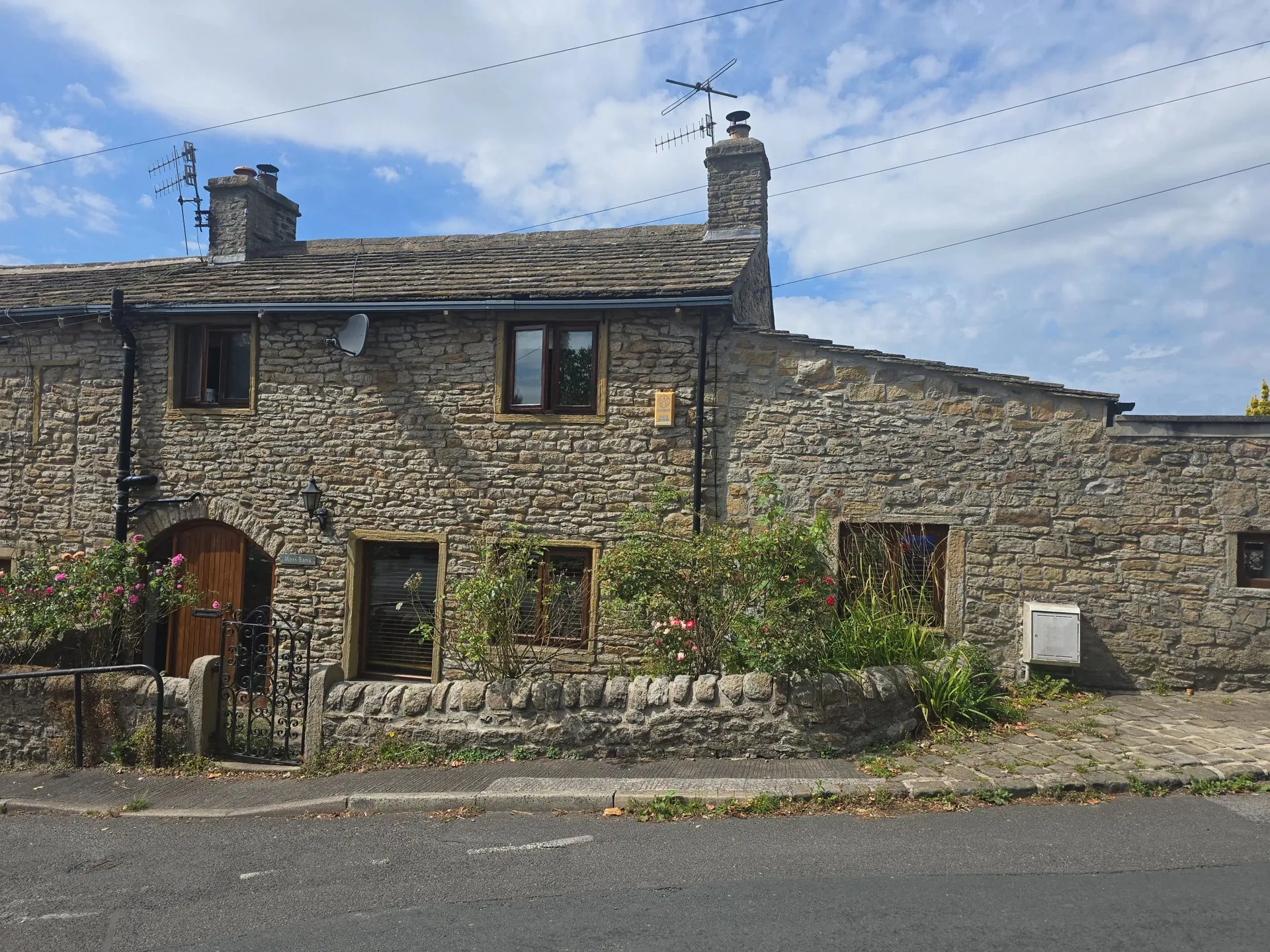
Carl’s View With an older property, the important question is not whether every historic feature is a problem. It is whether the surveyor understands how the building was constructed and can distinguish expected ageing from poor repairs, concealed alterations or more significant liabilities.
Why Carl Mason joined the RPSA — and what it means for Mason & Oak clients
Mason & Oak is a small, independent residential surveying and heritage consultancy serving clients across Lancashire and the wider North West, with a particular interest in older, traditional, unusual and heritage properties. Joining the RPSA was a natural fit with the way Carl works through Mason & Oak: carrying out detailed, property-specific inspections and providing clear reporting and practical advice. The focus is not simply on listing visible defects, but on helping buyers understand what may be happening, why it may be happening, what should happen next and what it could mean for their purchase. That approach includes:
- detailed Level 2 Home Surveys and Level 3 Building Surveys;
- direct communication with the surveyor;
- pre-survey discussion where appropriate;
- post-inspection feedback;
- particular interest in period, traditional, unusual and heritage buildings;
- advice that distinguishes between routine maintenance, further investigation and significant repair liabilities.
Carl’s postgraduate training in Building Conservation and Adaptation also complements this focus on traditional buildings. His RPSA membership provides a relevant professional framework for the residential surveying services he delivers through Mason & Oak, alongside his individual qualifications, experience and commitment to a high standard of service.
For advice on arranging a Level 2 or Level 3 survey in Lancashire or the wider North West, you can request a survey quote. You may also find our guidance on whether a Level 3 survey could help with a purchase useful.
Frequently asked questions
Is an RPSA survey the same as an RICS survey?
No. RPSA and RICS are separate organisations, and an RPSA survey is not automatically an RICS Home Survey. Check the report type, inspection scope, surveyor’s qualifications and applicable standards before instructing.
Does a surveyor have to be RICS?
No. Not for every residential surveying service. If you want an RICS Home Survey, use a surveyor appropriately qualified and licensed for that RICS product. Otherwise, assess the provider’s competence, experience, scope, insurance and consumer protection arrangements.
What should I check before instructing an RPSA member?
Ask for the surveyor’s qualifications, relevant property experience, RPSA membership category, proposed inspection scope, report example or explanation, insurance arrangements, complaints process and applicable redress or arbitration arrangements.
Is a Level 3 Building Survey appropriate for an older or altered home?
It may be appropriate where the property is older, traditionally constructed, extensively altered, unusual or in need of substantial work. The right level depends on the property and your concerns. A Level 3 survey identifies significant repair liabilities and may recommend further investigation; it does not guarantee access to concealed areas or provide definitive repair costs.