By Mason & Oak Surveyors and Heritage Consultancy If you are buying a conventional, largely unaltered house in reasonable condition, a Level 2 Home Survey may be suitable. If the property is older, traditionally constructed, listed, unusual, extensively altered, visibly defective or intended for renovation, a Level 3 Building Survey is usually the more sensible choice. The right decision is not simply about choosing the cheaper or more expensive option. Survey “levels” describe the scope, depth and reporting detail of the inspection. They are not just price tiers.
First, what is a mortgage valuation?
A mortgage valuation is prepared for the lender. Its purpose is to help the lender assess the property as loan security and consider whether the purchase price is broadly acceptable for that purpose. It is not a condition survey for the buyer. A property may be acceptable security for a mortgage while still requiring substantial roof repairs, remedial work, investigation or maintenance. The valuation may also be brief and may not provide the detailed explanation needed to understand the building before you commit to the purchase. A separate survey gives you independent information about the condition and likely liabilities associated with the property.
What does a Level 2 Home Survey cover?
A Level 2 Home Survey provides an overview of the condition of the main elements of a residential property. It generally considers visible parts of:
- The roof coverings and roof structure where accessible
- External walls, windows, doors and rainwater goods
- Floors, ceilings and internal walls
- Chimneys, drainage and visible external areas
- Services, insofar as they can be observed
- Signs of movement, dampness, decay and other significant defects
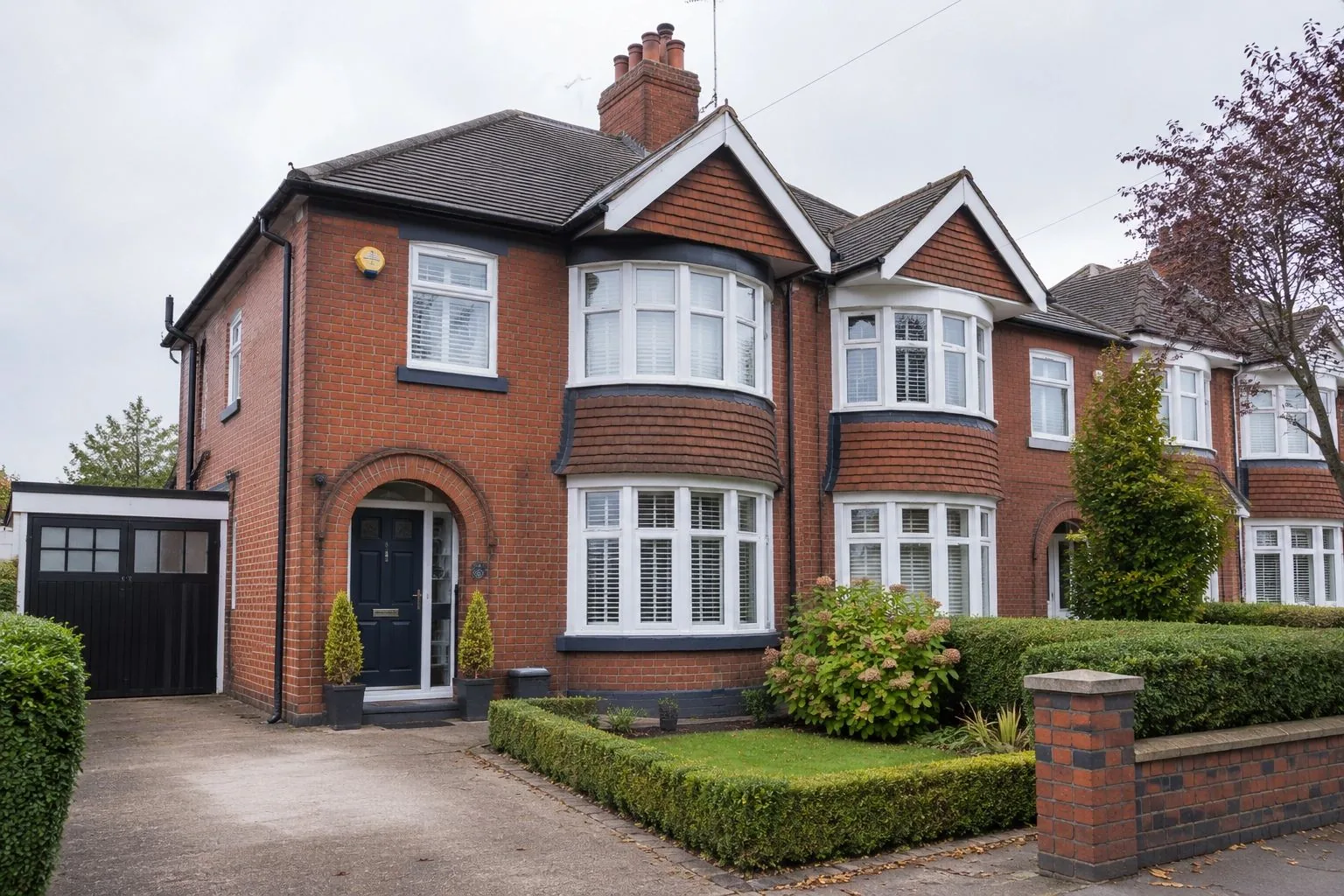
The emphasis is on identifying visible defects, matters requiring attention and areas where further investigation may be appropriate. It is generally suited to a conventional house, flat or bungalow built using common materials and methods, particularly where it appears to be in reasonable condition and has not been substantially altered.
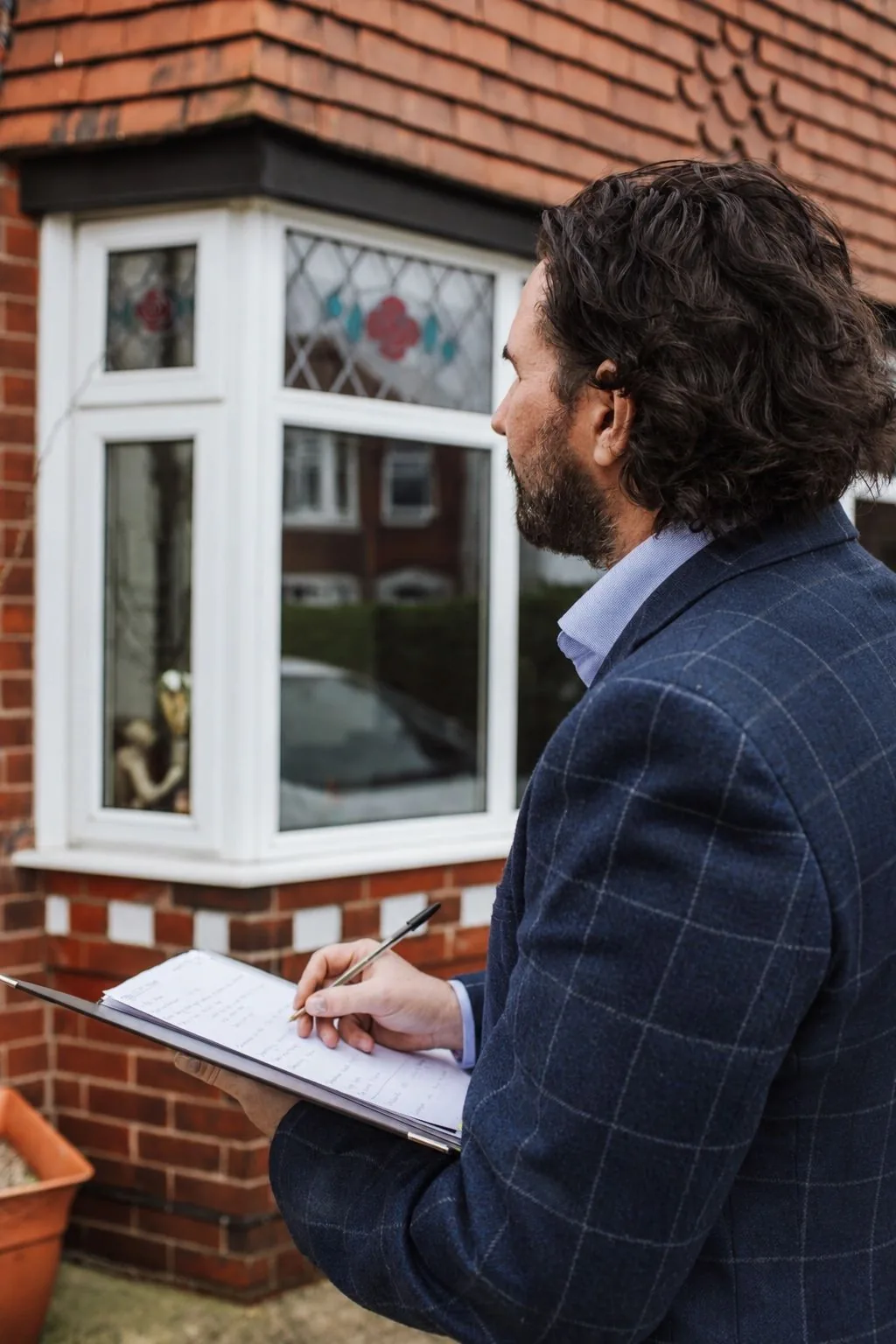
A Level 2 inspection is generally non-intrusive. It does not involve opening walls, lifting fitted floor coverings or dismantling the construction. Accessible services may be visually inspected and subject to limited observations or checks, but specialist testing is not undertaken. Concealed defects may therefore remain undiscovered. The surveyor should clearly explain where access was restricted, what could not be confirmed and why that matters. Any additional intrusive investigation would need to be expressly agreed and undertaken with the owner’s permission.
What does a Level 3 Building Survey add?
A Level 3 Building Survey is a more detailed and comprehensive inspection and report. It is intended to help the buyer understand the building as a whole, rather than simply receive a summary of visible condition. The report may include more detailed commentary on:
- The construction and materials used in each part of the building
- The condition of individual elements
- Defects and their likely causes
- The significance and implications of alterations
- Structural movement, the visible condition of the roof and moisture-related concerns
- Repair options, maintenance priorities and areas requiring further investigation
- Matters that may affect renovation, future ownership or the property’s long-term performance
A Level 3 will typically involve more time on site and a more detailed report. It remains a visual inspection, however. It does not automatically include opening-up works, which would require the owner’s permission, nor specialist testing, a valuation or any guarantee that concealed defects do not exist.
A Level 3 Building Survey will help you understand significant repair liabilities, their relative priority and where contractor quotations or further investigation should be obtained. Actual repair costs can vary considerably depending on the extent of the work, specification, access, location and what is discovered once work begins. This is why a Level 3 should not be treated as a fixed-price schedule of repairs. Its purpose is to improve your understanding and help you decide what needs to happen next.
When is a Level 3 usually more appropriate?
A Level 3 is usually the more appropriate choice where the property is:
- Pre-1919, period or listed
- Built with solid brick, stone, timber framing or other traditional construction
- Heavily extended or altered
- Converted from another use
- Showing visible cracking, distortion, dampness or roof problems
- Complex or difficult to understand because of its layout, construction or alterations
- Intended for significant refurbishment or structural alteration
- In visibly poor, neglected or uncertain condition
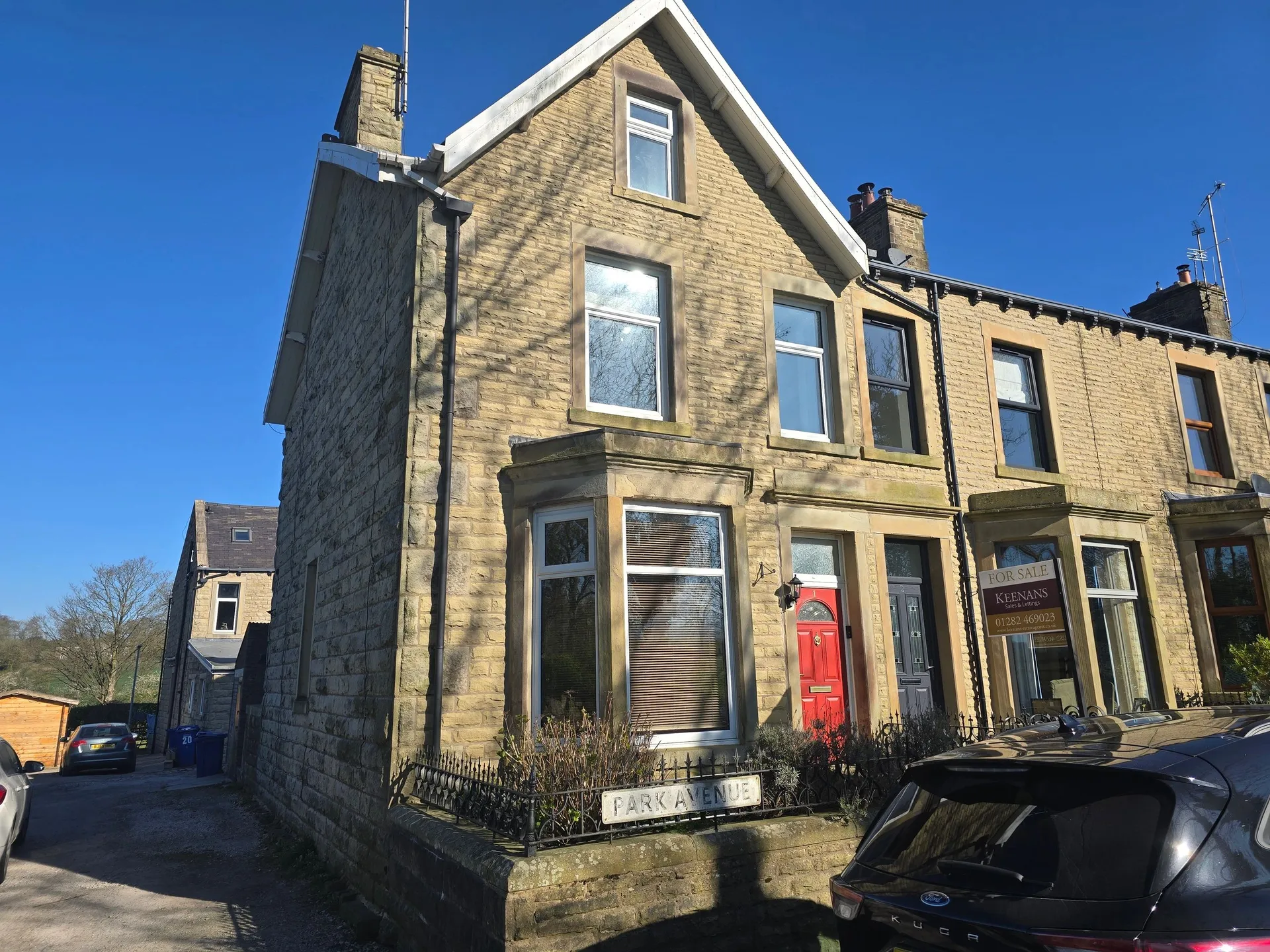
Traditional properties across Lancashire and the wider North West may contain solid masonry walls, slate or stone-slate roofs, suspended timber floors, lime-based materials and several phases of alteration. These features are not defects in themselves, but they need to be understood before repairs or renovations are planned.
An older property may also contain modern interventions that need closer consideration. Examples include dense cement pointing, replacement render, altered roof structures, removed chimney breasts, rear extensions, loft conversions and changes to suspended floors. The presence of one such feature does not automatically mean the property is unsuitable. It does mean that a more detailed survey may provide better information than a general overview. Carl’s View
The right survey follows from understanding the building and the buyer’s plans, not from working down a price list. A straightforward modern property may not need a Level 3, while a modest-looking period house may justify one because its construction and alterations are less predictable.
Why individual building details matter
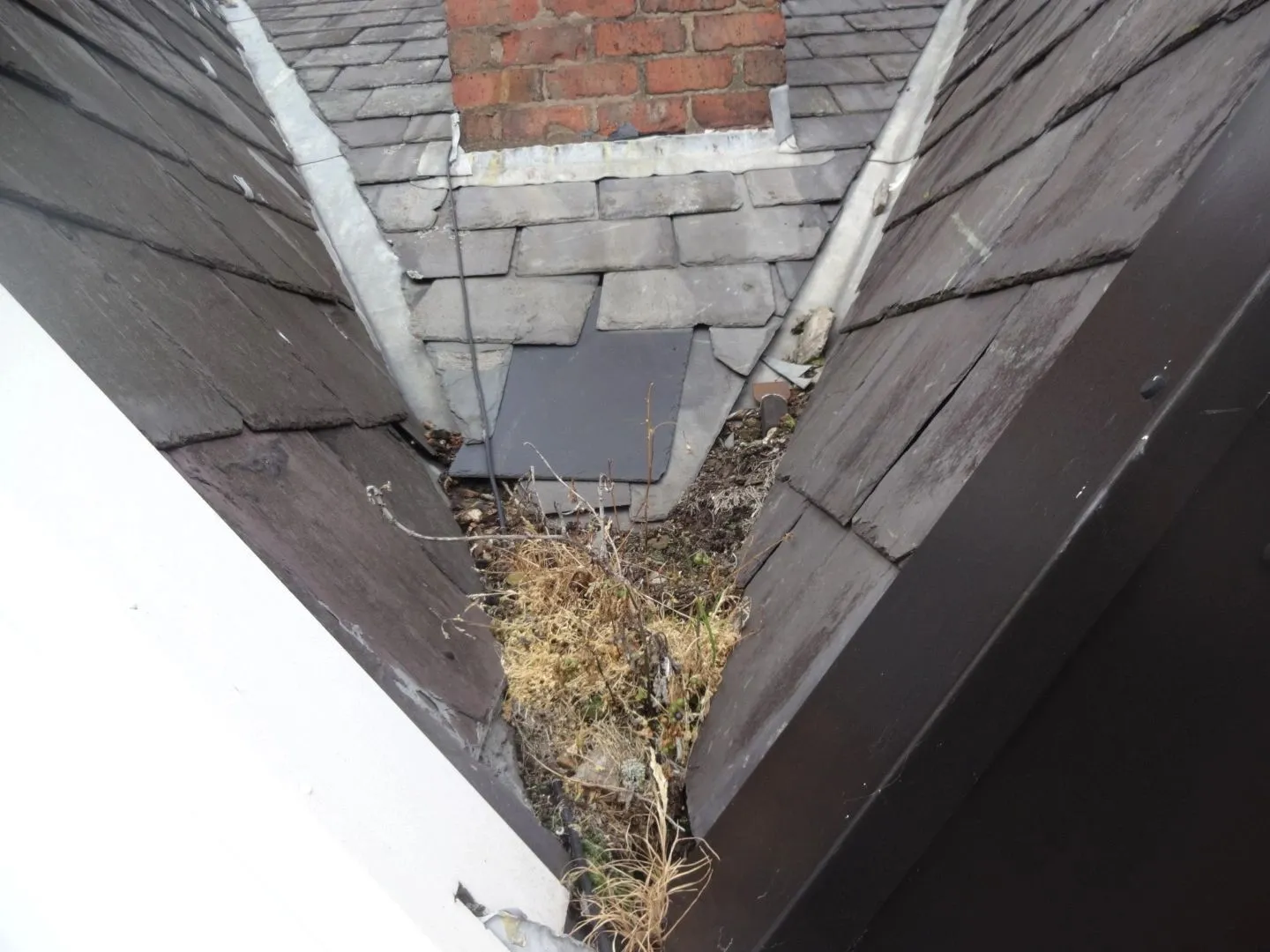
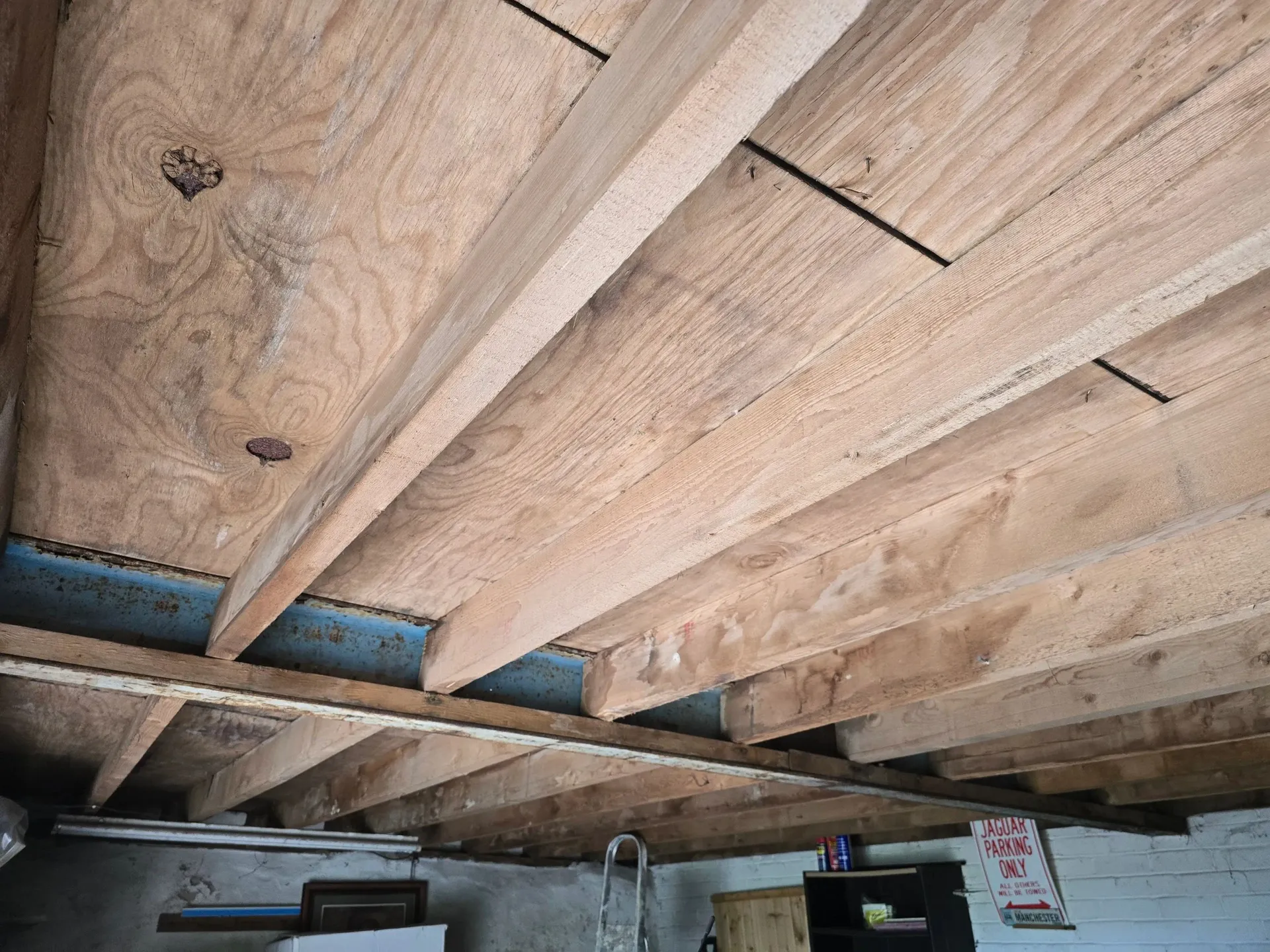
Inspection photographs from traditional and older properties illustrate why the building’s details matter:
- Weathered mortar and roof coverings around an older chimney stack
- Solid stone or brick walls that behave differently from modern cavity walls
- Exposed timber joists and steel supports beneath a suspended floor
- Previous alterations that have changed how loads are carried
- Blocked or restricted subfloor ventilation
- Cellars or roof spaces where stored items prevent full inspection
- External defects that may contribute to moisture entry
- Internal finishes that conceal the underlying construction
A Level 3 is not automatically necessary because a building is old, nor is it a guarantee that every concealed issue will be found. The question is whether the property’s age, construction, condition and planned use justify a more detailed assessment. 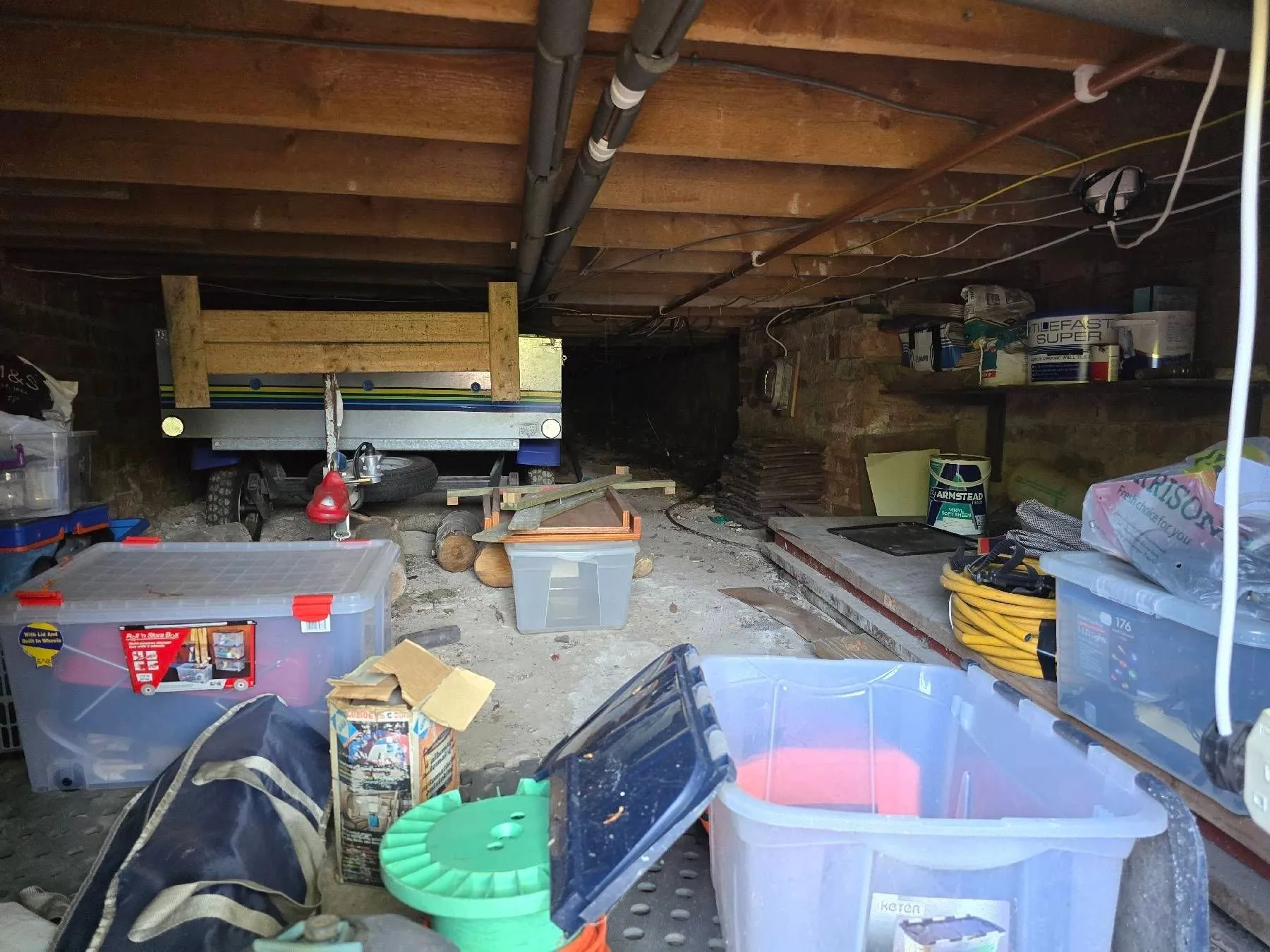
Restricted access and survey limitations
Access has a direct effect on what any survey can report. A cellar filled with stored belongings may prevent inspection of parts of the walls, floor, structure and services. A loft may be inaccessible because there is no safe hatch or suitable flooring. Heavy furniture, fitted finishes and stored materials can conceal defects. The surveyor should record significant restrictions and explain their implications. Where the risk justifies it, the recommendation may be to clear the area, arrange opening-up works, subject to the owner’s permission, or obtain specialist advice before proceeding.
Questions to ask before choosing your survey
Before instructing a surveyor, ask:
- What is the property’s age and construction type?
- Which survey level do you recommend, and why?
- What will and will not be inspected?
- Are any roof spaces, cellars, outbuildings or subfloors likely to be inaccessible?
- How will significant defects and priorities be presented?
- Will you explain the findings and speak to me after the inspection?
- Should any specialist investigations be arranged before exchange of contracts?
A surveyor should be willing to discuss the property before instruction. This allows the survey level to be chosen sensibly rather than guessed from a short estate-agent listing.
A simple decision aid: proceed, renegotiate, investigate further or walk away
Use the survey findings to place the purchase into one of four outcomes:
- Proceed: The defects are understood, manageable and consistent with your budget and plans.
- Renegotiate: Significant repair liabilities were not reflected in the agreed price. Obtain quotations where practical and negotiate on evidence.
- Investigate further: The available information is incomplete or the potential consequences are significant. Further advice may be needed from a structural engineer, drainage specialist, an appropriately qualified and independent timber or building-pathology specialist or suitably experienced contractor.
- Walk away: The combined cost, disruption, uncertainty or risk is greater than you are prepared to accept.
The purpose of a survey is not to tell every buyer to proceed or withdraw. It is to give you better information before you become legally committed.
Mason & Oak’s Level 2 and Level 3 surveys
Level 2 and Level 3 are widely recognised descriptions of the depth and scope of residential surveys. Mason & Oak’s Level 2 Home Survey is intended for suitable conventional properties where a clear assessment of condition is appropriate. Our Level 3 Building Survey provides a more detailed assessment for older, altered, traditionally constructed, unusual or more complex buildings. We will discuss the property and the buyer’s plans before recommending the survey level we consider most appropriate.
Frequently asked questions
Is a Level 2 enough for an older house?
Sometimes, but age alone is not the only consideration. A simple, well-maintained property of conventional construction may be suitable for Level 2. A period property with solid walls, traditional materials, alterations, visible defects or uncertain construction will usually justify a Level 3.
Is a Level 3 worth the extra cost?
It can be, particularly where the property is older, altered or intended for renovation. The value lies in understanding significant liabilities and deciding whether further investigation, quotations or renegotiation are needed. A Level 3 is not automatically worthwhile for every straightforward modern house.
Does a Level 3 Building Survey include a valuation?
No. Mason & Oak’s Level 3 Building Survey does not include a market valuation. A mortgage valuation is a separate service prepared for the lender.
When should I arrange the survey?
Ideally, once your offer has been accepted and early enough in the conveyancing process for the findings to be investigated, costed and considered before you become legally committed to the purchase. A sensible survey choice starts with the property itself: its age, construction, alterations, condition and intended use. Choosing the appropriate level can help replace uncertainty with a clearer decision about whether to proceed, renegotiate, investigate further or walk away.